

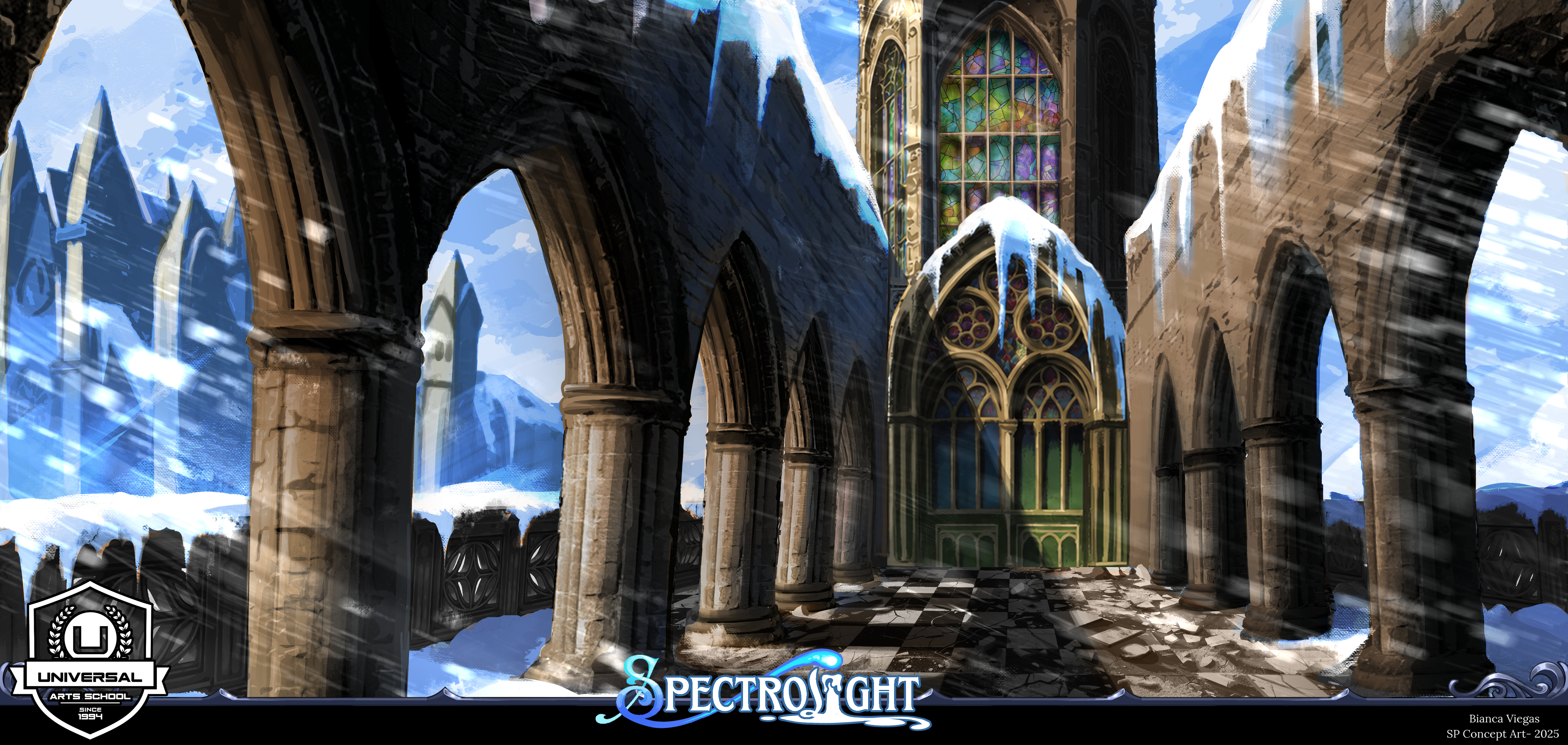
Visual storytelling is the ability to tell a story through images: composition, lighting, colour, camera movement, editing, character design and art direction. It matters for anyone interested in film, animation, games, concept art or digital creation.
This article is for emerging creators who want their work to do more than look impressive. Strong visual storytelling helps an audience understand a character, feel a mood and remember a world.
Awards are never only about craft. Timing, campaigning, distribution and voting systems also play a role. The Academy explains that eligible members vote in the final round and that Best Picture follows specific nomination and voting procedures. Still, films that last in people’s minds usually have one thing in common: their images know what they are trying to say.
What visual storytelling really means
Visual storytelling is not about making every frame beautiful. It is about giving every visual choice a purpose.
A messy room can reveal a character. Cold light can suggest distance. A tight frame can create pressure. A repeated colour can represent memory, danger or change.
Film education often works with mise-en-scène, cinematography, editing, camera movement and sound as tools that shape narrative and emotion. BFI and Into Film training resources highlight how visual planning and film language help learners understand how stories work on screen.
For a creator, the question becomes: not only “what story am I telling?”, but “how should this story look so the audience can feel it?”.
Why some films connect more strongly
There is no guaranteed formula for winning awards or attention. But many memorable films share a few visual principles.
A clear visual idea
Films that stand out often have a recognisable visual identity. You may remember their colour palette, their framing, their lighting, their spaces or their atmosphere.
That identity works like a rule. For example: symmetrical frames may suggest control, while broken symmetry may show emotional collapse. A specific colour may appear only when a character faces change.
For a student project, this can be simple. Ask: “What is my visual rule?” Then apply it consistently across shots, characters or environments.
Form and emotion working together
Strong films rarely use visual techniques randomly. Camera, lighting, production design, costume, editing and sound all support the same emotional direction.
A story about isolation may frame characters behind windows, doors or empty space. A story about chaos may use faster cuts and unstable movement. A story about discovery may gradually open its lighting and compositions.
The best visual choices do not need to be explained. The viewer feels them.
Characters we understand before they speak
A well-designed character communicates in silence. Their posture, silhouette, clothing, bedroom, props or way of moving can tell us who they are.
This connects directly with concept art, character design, storyboarding and art direction. Before writing a long explanation, define three visual clues:
- An object the character always carries.
- A colour or texture linked to their world.
- A way they occupy space: hiding, observing, dominating or invading.
These clues make a character readable from the first image.
Visual tools creators can apply
Composition: guiding the eye
Composition decides where the viewer looks first. It is not just about the rule of thirds. It is about hierarchy.
Try this process:
- Decide what the viewer must notice first.
- Remove elements that compete with it.
- Use light, contrast, size or leading lines to guide the eye.
- Check whether the image works without dialogue.
In film, animation and games, strong composition reduces confusion. In a shot, it clarifies emotion. In a 3D environment, it guides the player. In an illustration, it creates impact.
Colour and light: emotion without exposition
Colour should not be chosen only because it looks good. It can show emotional change.
A character may begin in muted tones and closed spaces. As they gain confidence, warmer colours, stronger contrast or wider compositions may appear.
Lighting also tells story. A shadow across a face can suggest doubt. Side lighting can create tension. Soft, even lighting can suggest safety, routine or artificial calm.
A useful exercise: create three versions of the same image. Make one feel hopeful, one tense and one melancholic. Change only lighting, colour and framing.
Visual rhythm: when to hold and when to cut
Editing controls breath, tension and surprise.
A long shot can let the audience observe. A fast cut can create urgency. A pause can say more than dialogue.
In an animatic, trailer or game cinematic, mark three types of moments: information, emotion and action. Then check whether they all move at the same speed. If everything is fast, nothing stands out. If everything is slow, attention drops.
Worldbuilding: making emotion believable
Visual worldbuilding is not about filling the frame with details. It is about designing a world with logic.
A strong environment answers questions: who lives here, what does this society value, what conflict is hidden in the space, and what happened before the scene began?
In Video Game Art, this is essential. A level should not only look impressive. It should guide, suggest interaction and reveal story. A lit doorway invites movement. A blocked path implies danger or loss. A misplaced object creates curiosity.
What film, animation and game creators can learn
Films that win attention often master three layers: clarity, emotion and point of view.
Clarity helps the audience understand what is happening. Emotion makes them care. Point of view turns a familiar story into a personal vision.
You can apply this to any creative project:
- In a portfolio, show not only final images but also intention and process.
- In a short film, define a visual rule before shooting or animating.
- In concept art, connect character, environment and palette to conflict.
- In games, treat each environment as a playable scene with rhythm and readability.
The creative industry does not only look for technical skill. It looks for creators who make visual decisions with purpose.
A simple scene analysis method
Choose a scene that stayed with you and watch it three times.
First viewing: focus on emotion. What did you feel?
Second viewing: analyse the image. Where is the camera? What colours dominate? What fills the frame?
Third viewing: connect form and meaning. Why would the scene feel different with another light, rhythm or composition?
Then summarise it in one sentence: “This scene uses ___ to make us feel ___.” That sentence trains your eye and helps you create with intention.
Conclusion: being remembered is the real win
Films that win awards, conversation or influence are not always the biggest or loudest. They are often the ones that understand their own visual language.
For creators, the lesson is direct: every frame, design, colour, texture and cut should have a reason. When form and emotion work together, the story becomes stronger.
At U·Arts Inside, you can explore how worlds, characters and visual narratives are built across Concept Art, Video Game Art, 3D and VFX. Discover our programmes or contact Admissions to find the path that fits the stories you want to tell.